
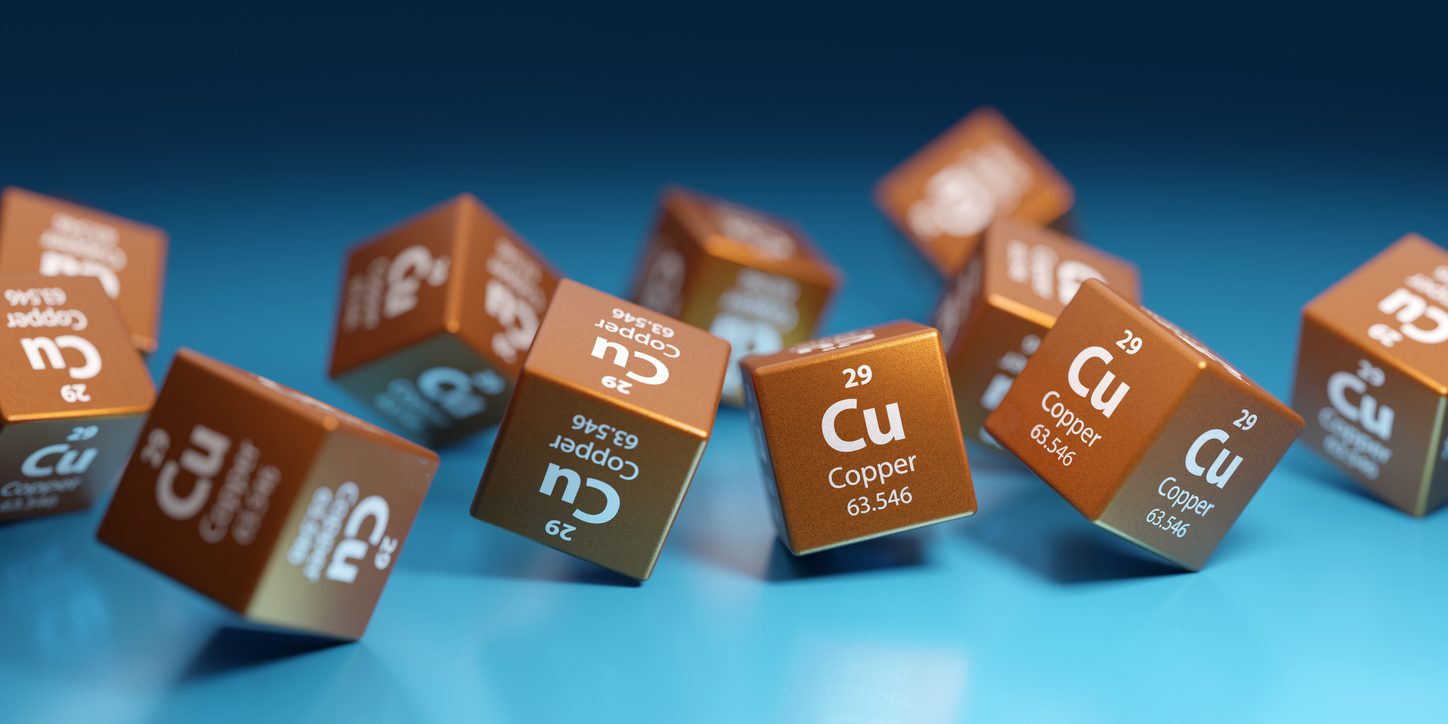
Copper, an essential mineral, is required for neurotransmitter synthesis. It is a cofactor for dopamine, norepinephrine, and serotonin. Overall, copper supports neurotransmission, protects neurons, and is vital for brain development and ongoing mental functioning (source). But when copper is in excess, a range of psychiatric symptoms can emerge including anxiety, depression, irritability, difficulty focusing, psychosis, mood swings, and even suicidal thoughts. These symptoms are linked to copper affecting the nervous system and neurotransmitter activity.
Clinicians have grown comfortable prescribing combinations of antidepressants, antipsychotics, mood stabilizers, stimulants, and sedatives — what is sometimes termed psychiatric polypharmacy — for adults and children presenting with a myriad of psychiatric symptoms without any diagnostic testing. A typical treatment regimen may include up to four or more medications, including medications to treat side effects. Symptom overlap is present among the multiple psychiatric diagnoses.The assessment of underlying medical, nutritional, endocrine, toxic, or psychosocial contributors, and pharmacogenomic testing is not the norm.
Psychiatric polypharmacy has become a common practice in the treatment of severe or refractory psychiatric symptoms, even for children and adolescents. There continues to be limited evidence for many specific multi‑drug combinations and clear evidence of many negative consequences, including, but not limited to drowsiness, insomnia, weight gain, mood swings and suicidal thoughts (source). Additionally, it is reported that over half of psychiatric patients will receive more than one diagnosis and up to four or more in their lifetime. There are currently over 200 types of psychiatric disorders in the DSM-5 (source).
Ruling out copper excess is one test that might eliminate the need for polypharmacy.
Psychiatric symptoms are commonly reported with high copper
Elevated copper, especially when accompanied by low zinc, can be associated with a pattern of “over‑arousal” and emotional dysregulation, along with a range of cognitive and somatic symptoms. Psychiatric symptoms such as anxiety, panic, agitation, feeling “revved up,” irritability, anger, emotional lability, episodic rage, poor concentration, cognitive fog, hyperactivity/impulsivity, mood swings, and postpartum depression.
Patients with elevated copper levels can also experience digestive problems and food sensitivities. They are often sensitive to side effects of stimulant medications prescribed for ADHD. Many of these symptoms are most often treated with psychotropic medications, including antidepressants, anxiolytics, antipsychotics, and mood stabilizers, without assessing underlying contributors such as serum copper excess/low zinc, Wilson’s disease (impaired copper metabolism), high‑estrogen/high‑copper states, copper IUDs and copper plumbing exposure (source).
Common diagnoses linked to high copper
- Oppositional Defiant Disorder, Intermittent Explosive Disorder, Borderline Personality Disorder. Symptoms include: Anger, rage, irritability, mood swings, and difficulty sleeping.
- Generalized anxiety disorder, panic disorder. Symptoms include: excessive worry, feeling revved, difficulty concentrating, insomnia, panic attacks.
- Major depressive disorder, bipolar disorder, and postpartum depression. Symptoms include: sadness, hopelessness, feelings of worthlessness, irritability, sleep disturbances, anhedonia, suicidality, and psychosis.
- Attention Deficit Hyperactivity Disorder Symptoms: Hyperactivity, inattention, impulsivity,
- Delusional disorder, brief psychotic disorder, and schizophrenia. Symptoms include: hallucinations, delusions, and disorganized speech.
- Dementia, ADHD Symptoms: Cognitive symptoms: memory loss, brain fog, difficulty concentrating, impulsivity, hyperactivity.
There are medical conditions and environmental contributors to elevated copper. These include:
Wilson’s Disease
Wilson’s Disease is a rare, inherited genetic disorder that causes excess copper to build up in the body, particularly in the liver, brain, and eyes. Mood changes, depression, anxiety, irritability, and in some cases, more severe mental health conditions like psychosis. Despite the excess total body copper, the copper in the bloodstream is often unbound (not integrated into the ceruloplasmin protein), and thus the serum copper and ceruloplasmin levels are typically low.
Hormonal Birth Control
Hormonal birth control can lead to elevated copper levels which may be linked to psychiatric symptoms like anxiety and agitation. High levels can lead to an overproduction of norepinephrine, causing an “amphetamine-like” effect on the nervous system. Hormonal contraceptives, particularly those containing estrogen, can increase serum copper concentration.
- Estrogen stimulates the liver to produce more ceruloplasmin, the protein that binds to and transports most of the copper in the bloodstream. This process leads to increased copper retention in the blood, but does not necessarily mean an overall toxic overload in the body’s tissues for most healthy women. Serum copper levels typically return to normal within several weeks after stopping the medication.
- Progestin: Progestin (a synthetic version of the natural female hormone progesterone), in the contraceptive can also influence the degree of copper elevation, with antiandrogenic progestins potentially causing a greater increase. This increased copper can, in turn, create a cycle where elevated copper further increases estrogen, disrupting the balance with other minerals like zinc.
- Copper IUDs: Patients with Wilson’s disease may be at risk for elevated copper levels when using copper IUDs.
Pyrrole Disorder
The body produces an excess of hydroxyhemopyrrolin-2-one (OHHPL), also known as kryptopyrrole. This can lead to deficiencies in zinc and B6, which are crucial for mood regulation and other bodily functions. Source: Some of the symptoms of pyrrole disorder include: irritability, severe anxiety, significant changes in mood, short temper (temper tantrums in younger children), severe depression, short-term memory problems, inability to manage everyday stresses, and histrionic (melodramatic) behaviors.
Testing Copper levels in the body
- Hair and mineral test
- Serum copper and zinc levels
- Serum Ceruloplasmin is a copper-binding protein that has antioxidant properties and functions in iron transport. It can be measured with a blood test to help diagnose conditions like Wilson disease and Menkes disease, which involve abnormal copper levels. Low ceruloplasmin can result from genetic disorders or insufficient dietary copper, while high levels can be associated with inflammation or pregnancy (source).
Treatment of elevated copper
Rule out underlying conditions:
- Wilson’s disease: check ceruloplasmin level
- Rule out pyrrole disorder- kryptopyrrole test (source)
Eliminate environmental factors:
- Avoid high copper foods (shellfish, liver, nuts, chocolate, mushrooms, and dried fruits)
- Check drinking water: filter if indicated, copper pipes
- Avoid Copper supplements
- Assess the hormonal contraceptive impact of the level of copper
In many cases, psychiatric symptoms can be resolved with zinc supplementation. Copper and zinc have an inverse relationship. When copper is elevated, zinc is often low. Zinc is also a cofactor necessary for neurotransmitter synthesis.
Assessing copper levels (and related markers) in psychiatric patients can help identify reversible metabolic contributors, environmental factors, and, in some cases, may change the diagnostic and prescribing trajectory away from reflexive polypharmacy.