
Why Functional Psychiatry Is Paying Attention to the Connection Between the Gut and Mental Health
For decades, mental health treatment has focused primarily on the brain. But emerging research continues to reinforce something many clinicians—and patients—have long suspected: mental health is deeply connected to physical health, especially the health of the gut.
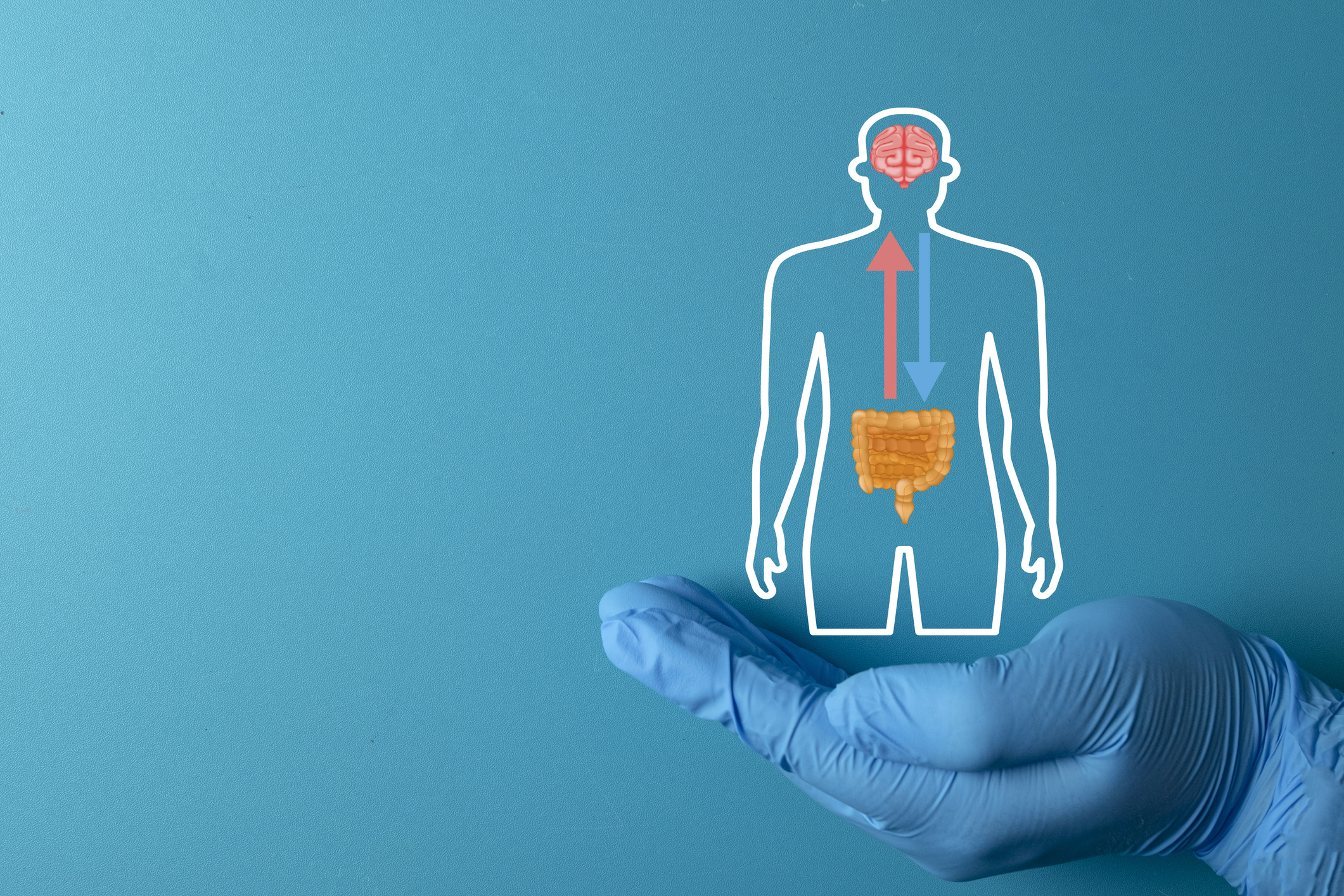
This connection is known as the gut-brain axis—a complex, bidirectional communication system linking the gastrointestinal system and the brain. In functional psychiatry, understanding this relationship is essential because it helps explain why symptoms like anxiety, depression, brain fog, ADHD, mood instability, and even cognitive decline may be influenced by factors far beyond neurotransmitters alone.
At Psychiatry Redefined, we believe the future of mental healthcare depends on moving beyond symptom management and exploring the biological root causes that influence brain function. The gut-brain axis is one of the most important areas of that conversation.
What Is the Gut-Brain Connection?
The gut-brain axis, also known as the gut-brain connection, refers to the ongoing communication network between the brain and the digestive system. This communication happens through several pathways, including:
- The vagus nerve
- Neurotransmitters
- Hormones
- The immune system
- Inflammation
- The gut microbiome
The gut and brain are constantly sending signals back and forth. In fact, many researchers now refer to the gut as the body’s “second brain” because of the enormous influence it has on mood, cognition, behavior, and emotional regulation.
When the gut is functioning well, this communication system can support resilience, balanced mood, focus, and emotional stability. But when the gut becomes disrupted—through inflammation, poor diet, chronic stress, infections, nutrient deficiencies, or microbiome imbalances—it may contribute to psychiatric symptoms and cognitive dysfunction.
The Role of the Gut Microbiome in Mental Health
One of the most fascinating areas of research surrounding the gut-brain axis involves the gut microbiome—the trillions of bacteria and microorganisms living in the digestive tract. These microbes play a surprisingly important role in brain health.
Research suggests the gut microbiome may influence:
- Neurotransmitter production
- Immune function
- Inflammation levels
- Stress response
- Sleep
- Cognitive performance
- Mood regulation
In fact, a significant portion of the body’s serotonin—the neurotransmitter often associated with mood—is produced in the gut.
While mental illness is never caused by one single factor, disruptions in the microbiome have been associated with conditions such as, anxiety, depression, ADHD, autism spectrum disorders, OCD, bipolar disorder, schizophrenia, and cognitive decline.
This does not mean gut issues are the sole cause of psychiatric illness. But it does reinforce the importance of looking at the body as an interconnected system rather than separating mental health from physical health.
How the Gut Impacts the Brain
1. Inflammation
Chronic inflammation is one of the most significant drivers of mental health symptoms.
When the gut lining becomes compromised—sometimes referred to as increased intestinal permeability or “leaky gut”—inflammatory molecules may enter circulation and influence brain function.
In functional psychiatry, identifying and reducing sources of inflammation can be an important part of improving mental wellness. Research increasingly links inflammation with:
- Depression
- Anxiety
- Fatigue
- Brain fog
- Mood instability
2. Neurotransmitter Production
The gut helps regulate and produce many neurotransmitters involved in mood and cognition, including serotonin, dopamine and GABA. Imbalances in gut health may alter neurotransmitter signaling, which can affect focus, motivation, emotional regulation, sleep, and stress tolerance.
3. Stress and the Nervous System
Stress directly affects digestion, and gut dysfunction can increase stress sensitivity. This creates a cycle:
- Stress disrupts the gut
- Gut dysfunction increases stress response
- Symptoms worsen over time
Many patients with anxiety or chronic stress also experience digestive symptoms such as bloating, IBS, constipation, diarrhea, food sensitivities, and nausea. The gut-brain axis helps explain why these symptoms often occur together.
4. Nutrient Absorption
The gut is responsible for absorbing nutrients critical for brain health, including:
- Vitamin B12
- Iron
- Zinc
- Magnesium
- Omega-3 fatty acids
If the gut is inflamed or dysfunctional, nutrient deficiencies may develop—even in individuals eating a healthy diet.
At Psychiatry Redefined, we often discuss how nutrient deficiencies can contribute to psychiatric symptoms and why proper testing matters.
Signs the Gut-Brain Axis May Be Affecting Mental Health
Some individuals struggling with mental health symptoms may also experience:
- Digestive issues
- Chronic fatigue
- Food sensitivities
- Brain fog
- Skin issues
- Sleep disturbances
- Frequent illness
- Inflammation
- Nutrient deficiencies
These patterns do not automatically mean the gut is the cause. But they may suggest it deserves closer attention as part of a comprehensive mental health evaluation.
A Functional Psychiatry Approach to the Gut-Brain Axis
Functional psychiatry does not view mental illness as “all in your head.”
Instead, it asks:
- What biological factors may be contributing to symptoms?
- What systems in the body are out of balance?
- What is driving inflammation, dysfunction, or stress in the brain?
A functional psychiatry approach to the gut-brain axis may include evaluating:
- Nutrition and diet
- Gut health history
- Stress levels
- Sleep
- Microbiome health
- Inflammation markers
- Nutrient deficiencies
- Food sensitivities
- Lifestyle factors
Treatment approaches are highly personalized and may include:
- Nutritional interventions
- Lifestyle changes
- Stress reduction strategies
- Targeted supplementation
- Sleep optimization
- Collaborative medical care
- Conventional psychiatric treatment when appropriate
Importantly, functional psychiatry is not anti-medication. Rather, it seeks to understand the full picture of what may be influencing mental health so clinicians can provide more personalized care.
Why the Gut-Brain Axis Matters for the Future of Mental Healthcare
Mental health conditions are increasingly complex. Rates of anxiety, depression, ADHD, and chronic stress continue to rise, while many patients feel frustrated by approaches focused solely on symptom suppression.
The growing research surrounding the gut-brain axis is helping reshape how clinicians think about mental healthcare. It reinforces a foundational principle of functional psychiatry: The brain does not function independently from the rest of the body.
Understanding the gut-brain connection opens the door to more comprehensive, personalized approaches that may improve outcomes for many patients.
Final Thoughts on the Gut-Brain Connection
For years, psychiatry has largely separated mental health from physical health. But the science is increasingly clear: the gut and brain are deeply interconnected.
The gut-brain axis does not offer a simplistic explanation for mental illness, nor is it a cure-all. However, it represents an important opportunity to better understand the biological factors influencing mood, cognition, and behavior.
As clinicians and patients continue seeking more personalized mental healthcare, the gut-brain axis will remain one of the most important areas of exploration in functional and integrative psychiatry.
At Psychiatry Redefined, we believe the future of mental healthcare lies in asking better questions, looking deeper at root causes, and recognizing that mental health is whole-body health.