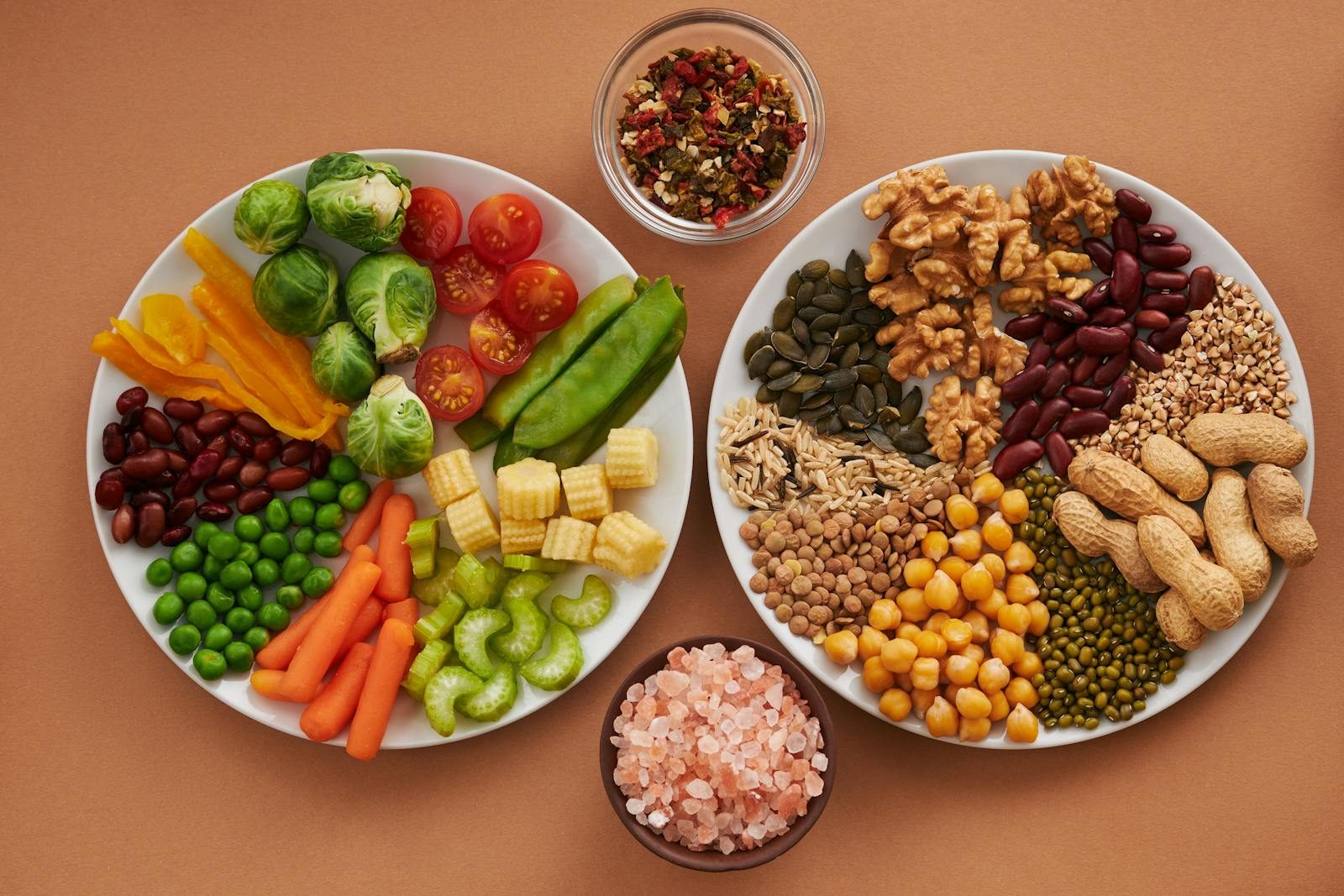
The nutraceutical industry has become a massive global business that lives somewhere between food, wellness culture, preventive medicine, and pharmaceuticals. It is not surprising that this field has exploded in popularity given the growing interest in “natural” approaches, the influence of social media health culture, and increasing dissatisfaction with symptom-based psychiatry. Even a casual walk through Costco Wholesale reveals shelves lined with “enriched” products featuring an alphabet soup of added nutrients and promises of better health.
What are Nutraceuticals?
The term “nutraceutical” was coined in 1989 by the American physician Stephen L. DeFelice, who defined it as:
“A food (or part of a food) that provides medical or health benefits, including the prevention and/or treatment of disease.”
Today, the term is used much more broadly and includes a wide variety of products derived from foods or other biological substances that are marketed for health benefits beyond basic nutrition.
In functional precision psychiatry, however, we approach this field from a somewhat different perspective. Correcting a nutritional deficiency is not the same thing as using a nutraceutical, and understanding that distinction is foundational. Nutritional deficiencies should ideally be identified through testing rather than guesswork, and we use targeted dietary interventions and supplementation to restore optimal levels. In many ways, nutrient testing becomes one of the first building blocks of treatment.
At the same time — or later in treatment — we may also consider targeted nutraceuticals that have evidence for particular psychiatric conditions or that appear relevant based on insights gained through genomic or other functional testing. These interventions are intended to provide benefits beyond simply correcting deficiencies and may help address more specific biological or clinical concerns.
The list of nutraceuticals being studied in mental health continues to grow. Some of the more evidence-based interventions in psychiatry include Omega-3 fatty acids, S-Adenosyl methionine, L-methylfolate, N-acetylcysteine, probiotics, Vitamin D, zinc, saffron, curcumin, magnesium, creatine monohydrate, St. John’s Wort, niacin, and tryptophan/5-HTP.
This series, however, will focus on a smaller group of nutraceuticals that have had particular clinical relevance and impact in the day-to-day practice of functional psychiatry.
1. N-Acetylcysteine (NAC)
NAC, a derivative of the dietary amino acid l-cysteiene, is a glutamate-modulating agent and antioxidant precursor to glutathione. It has an excellent safety profile and low side-effect profile. Therapeutic mechanisms of NAC include anti-oxidant protection, neurotransmitter modulation, inflammatory modulation, mitochondrial energy, chelation and detoxification and neurotrophic support.
Across all indications, the patients most likely to benefit from NAC share common features: conditions driven by glutamatergic dysregulation and compulsive/urge-driven behaviors (i.e BFRBs-Body-Focused Repetitive Behavior such as Trichotillomania (hair-pulling disorder) Excoriation disorder (skin-picking disorder) Onychophagia (nail biting) Cheek biting and lip biting), substance craving, children with SSRI and CBT refractory OCD and potentially those with elevated inflammatory biomarkers (bipolar depression with high CRP).1, 2, 3, 4, 5
NAC has moderate evidence as an adjunctive treatment for depression, with mixed results across meta-analyses.6, 7, 8 Beyond depression, a 2025 narrative review found NAC shows promise as an adjunct in schizophrenia (particularly negative and cognitive symptoms), bipolar disorder, and substance use disorders (reducing cravings), with more limited evidence in OCD, PTSD, and autism.9
We know that high levels of heavy metals can be neurotoxic and may manifest as a wide range of psychiatric and cognitive symptoms. NAC has evidence for heavy metal detox. A 2025 in vitro study comparing NAC and its lipophilic derivative NACA against arsenic, cadmium, cobalt, chromium, and mercury found comparable or better efficacy than traditional chelators including dimercaprol (BAL), DMSA, DMPS, and D-penicillamine. Protection was mediated through both GSH upregulation and direct chelation.10
2. Low Dose Lithium
Lithium is a naturally occurring mineral salt that has been used in psychiatry for more than 70 years. Although commonly referred to as a “medication,” lithium is actually a naturally occurring element found in rocks, soil, and trace amounts in water.
Lithium has wide-ranging effects in the brain. Beyond its well-established efficacy in Bipolar Disorder, it is associated with the most robust anti-suicide effect of any psychiatric medication.
In functional psychiatry, we more commonly discuss the potential benefits of “nutritional” lithium, typically in the orotate form and at doses far below the equivalent of 150 mg of lithium carbonate. Research suggests that even doses as low as 5 mg daily of lithium orotate can cross the blood-brain barrier and reach the brain.11 In clinical experience, a 5 mg dose is generally not detectable in the serum.
Although the scientific literature on lithium orotate remains limited compared with lithium carbonate, several geographical studies have demonstrated an inverse relationship between suicide rates and the lithium content of local water supplies. Earlier research also found lower lithium levels in the hair of convicted murderers compared with controls. Clinically, we frequently observe improvements in irritability, mood reactivity, and impulsivity, particularly in patients with a family history of mood disorders, substance abuse, or suicide.
There has also been growing interest in the use of low-dose lithium carbonate—generally defined in the scientific literature as producing serum levels ≤0.6 mmol/L—particularly in the area of cognitive decline because of its potential neuroprotective properties. Although the data remain promising yet inconsistent, a landmark study published in Nature in 2025 found that lithium orotate, rather than lithium carbonate, was most effective at evading amyloid plaque sequestration and most potent in reducing Alzheimer-type pathology in mouse models. The study reframed lithium orotate not merely as a potential therapeutic agent, but suggested that disruption of lithium homeostasis itself may represent an early pathogenic event in Alzheimer’s disease. This provides a rationale for lithium replacement using “amyloid-evading” salts such as lithium orotate as a potential prevention and treatment strategy.12, 13, 14
3. Inositol
Myo-inositol is a naturally occurring sugar-like molecule found in many foods — including fruits, beans, grains, and nuts — and is also produced by the body itself. It has gained attention for its wide-ranging health benefits, particularly for mood, anxiety, and metabolic health. Inositol is a serotonin-modulating and second-messenger-support nutrient that can help “soften rigidity” in the nervous system without acting like a traditional sedative.
Inositol is commonly used in functional psychiatry for anxiety-spectrum conditions. It is a serotonin-modulating and second-messenger-support nutrient and its efficacy mirrors the SSRI- responsive spectrum. The overlap between autism, anxiety, and OCD-spectrum features is one reason inositol has attracted attention in autism treatment. Clinicians report that certain autistic patients seem: less physiologically reactive,less easily overwhelmed,more regulated socially and better able to tolerate sensory input
Inositol (myo-inositol) has positive but limited RCT evidence,The overall evidence profile suggests inositol may benefit conditions responsive to SSRIs (depression, panic, OCD) at doses of 12–18 g/day.15, 16 Depression: A double-blind RCT of 28 patients found 12 g/day of inositol significantly superior to placebo on the Hamilton Depression Scale at 4 weeks.17
High-dose inositol protocols (often 12–18 grams/day) are still being used in some integrative and functional psychiatry settings for OCD and panic-spectrum symptoms, though enthusiasm is somewhat tempered by mixed research results and the practical challenge of GI side effects at higher doses. Anecdotally dosages higher than 10 gm are rarely needed.
Even though full manic switching appears uncommon in the literature, enough anecdotal and clinical experience exists that many practitioners now approach high-dose inositol carefully in bipolar patients.
Functional psychiatrists increasingly view metabolic dysfunction as highly relevant to psychiatric symptoms, and inositol has become popular because it may improve both metabolic and psychiatric symptoms simultaneously. Clinical studies have shown it can meaningfully reduce fasting blood sugar, insulin levels, and insulin resistance scores.
Overall, the clinical consensus is that inositol is generally safe and often helpful, but its effects are highly state-dependent. Functional psychiatrists increasingly recognize that nervous system state, metabolic status, bipolar vulnerability, hormonal milieu, and autonomic regulation all seem to influence whether a patient experiences inositol as calming, activating, destabilizing, or neutral.
In part two, we will look at Omega 3 fatty acids, OPCs/Curcumin and folate.
Would you like to learn how to integrate functional psychiatry approaches to help your patients? Schedule a private call with one of our education consultants to learn about our online Fellowships in Functional Psychiatry.
References
- Ooi SL, Green R, Pak SC. N-Acetylcysteine for the treatment of psychiatric disorders: A review of current evidence. BioMed Research International. 2018;2018:2469486. doi:10.1155/2018/2469486
- Cuocina M, Aiello G, Cutrufelli P, et al. Effect of N-acetylcysteine on craving in substance use disorders (SUD): A meta-analysis of randomized controlled trials. Frontiers in Pharmacology. 2024;15:1462612. doi:10.3389/fphar.2024.1462612
- Parli GM, Gales MA, Gales BJ. N-acetylcysteine for obsessive-compulsive and related disorders in children and adolescents: A review. Annals of Pharmacotherapy. 2023;57(7):847-854. doi:10.1177/10600280221138092
- Nery FG, Li W, DelBello MP, Welge JA. N-acetylcysteine as an adjunctive treatment for bipolar depression: A systematic review and meta-analysis of randomized controlled trials. Bipolar Disorders. 2021;23(7):707-714. doi:10.1111/bdi.13039
- Eghdami S, Eissazade N, Heidari Mokarar M, Boroon M, Orsolini L, Shalbafan M. The safety and efficacy of N-acetylcysteine as an augmentation in the treatment of obsessive-compulsive disorder in adults: A systematic review and meta-analysis of randomized clinical trials. Frontiers in Psychiatry. 2024;15:1421150. doi:10.3389/fpsyt.2024.1421150
- Fernandes BS, Dean OM, Dodd S, Malhi GS, Berk M. N-acetylcysteine in depressive symptoms and functionality: A systematic review and meta-analysis. The Journal of Clinical Psychiatry. 2016;77(4):e457-e466. doi:10.4088/JCP.15r09984
- Peng TR, Lin HH, Tseng TL, et al. Efficacy of N-acetylcysteine for patients with depression: An updated systematic review and meta-analysis. General Hospital Psychiatry. 2024;91:151-159. doi:10.1016/j.genhosppsych.2024.10.018
- Kishi T, Miyake N, Okuya M, Sakuma K, Iwata N. N-acetylcysteine as an adjunctive treatment for bipolar depression and major depressive disorder: A systematic review and meta-analysis of double-blind, randomized placebo-controlled trials. Psychopharmacology. 2020;237(11):3481-3487. doi:10.1007/s00213-020-05629-2
- Marazziti D, Caruso V, Cappellato G, et al. The emerging role of N-acetylcysteine in psychiatry: A narrative review of available data. Current Medicinal Chemistry. 2025. doi:10.2174/0109298673365458250901115725
- Sawyer TW, Song Y. Protective effects of N-acetylcysteine and its amide derivative against toxic metals in vitro: Potential alternatives/adjuncts to traditional chelators. Environmental Toxicology and Pharmacology. 2025;120:104825. doi:10.1016/j.etap.2025.104825
- Neal MA, Strawbridge R, Wing VC, Cousins DA, Thelwall PE. Human brain 7Li-MRI following low-dose lithium dietary supplementation in healthy participants. Journal of Affective Disorders. 2024;360:139-145. doi:10.1016/j.jad.2024.05.128
- Aron L, Ngian ZK, Qiu C, et al. Lithium deficiency and the onset of Alzheimer’s disease. Nature. 2025;645(8081):712-721. doi:10.1038/s41586-025-09335-x
- Gildengers AG, Ibrahim TS, Anderson SJ, et al. Low-dose lithium for mild cognitive impairment: A pilot randomized clinical trial. JAMA Neurology. 2026;83(4):310-319. doi:10.1001/jamaneurol.2026.0072
- Pereira da Silva AM, de Deus O, Ribeiro FV, et al. Efficacy and safety of lithium for behavioral and cognitive symptoms in Alzheimer’s disease dementia: A systematic review with frequentist and Bayesian meta-analysis. American Journal of Geriatric Psychiatry. 2026;34(3):371-385. doi:10.1016/j.jagp.2025.10.001
- Fux M, Levine J, Aviv A, Belmaker RH. Inositol treatment of obsessive-compulsive disorder. American Journal of Psychiatry. 1996;153(9):1219-1221. doi:10.1176/ajp.153.9.1219
- Levine J. Controlled trials of inositol in psychiatry. European Neuropsychopharmacology. 1997;7(2):147-155. doi:10.1016/S0924-977X(97)00409-4
- Levine J, Barak Y, Gonzalves M, et al. Double-blind, controlled trial of inositol treatment of depression.